
CCTV in South London
CCTV Installation South London
If you are looking for CCTV installation in South London, the most important decision is not which camera to buy but who fits it, because a well chosen system installed badly will let you down faster than a modest system installed properly. A good installer surveys the property first, places cameras where they actually cover the risk, sets up recording and remote viewing that you can rely on, and makes sure the whole thing is configured legally if it overlooks anywhere public. That is the work that decides whether your cameras give you usable footage at three in the morning or a blurred shape you cannot identify.
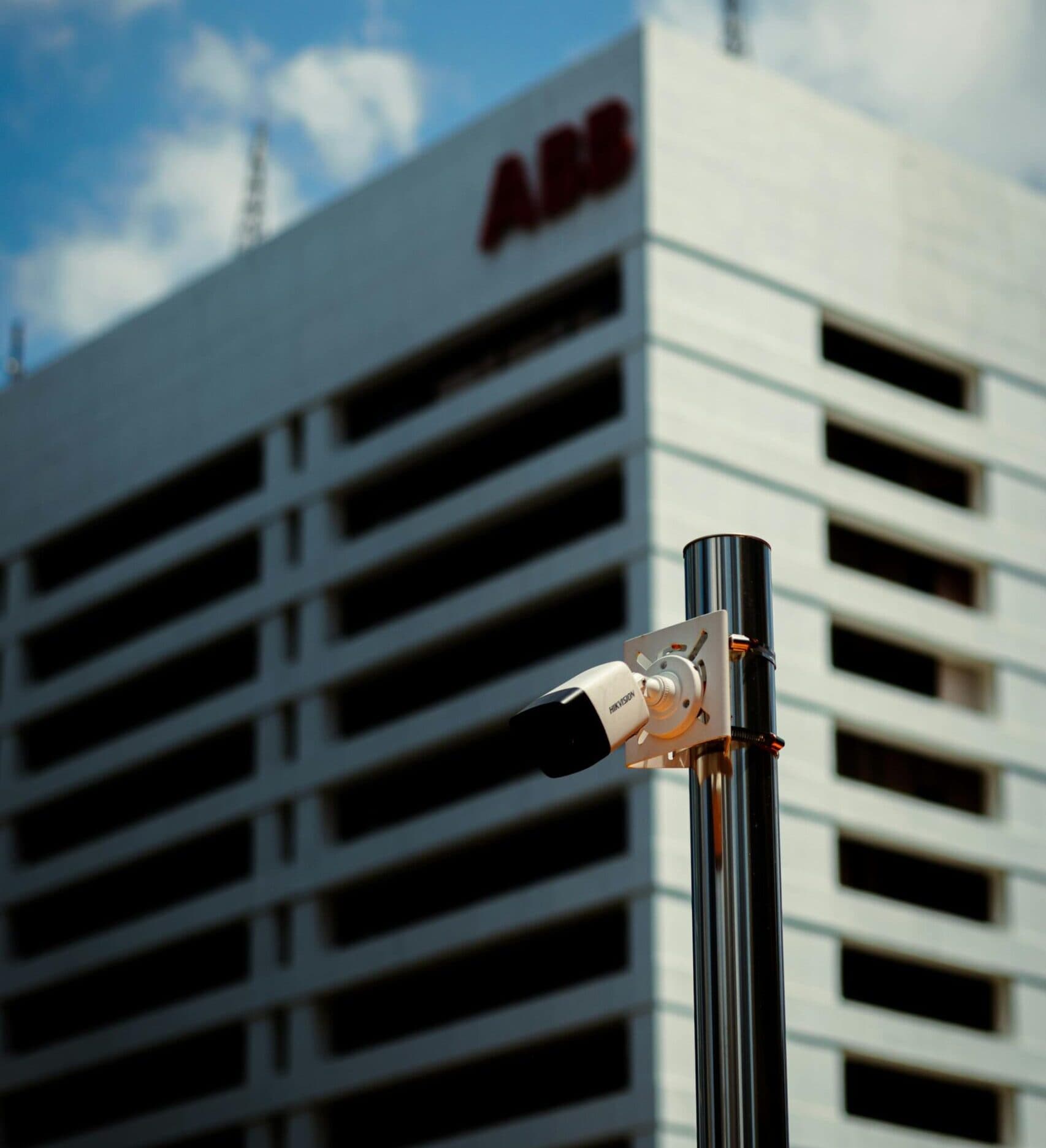
If you are looking for CCTV installation in South London, the most important decision is not which camera to buy but who fits it, because a well chosen system installed badly will let you down faster than a modest system installed properly. A good installer surveys the property first, places cameras where they actually cover the risk, sets up recording and remote viewing that you can rely on, and makes sure the whole thing is configured legally if it overlooks anywhere public. That is the work that decides whether your cameras give you usable footage at three in the morning or a blurred shape you cannot identify.
At Bespoke AVS we cover South London alongside Kent and the wider South East, and the questions we get from South London homes and businesses tend to be the same few every time. How many cameras do I really need. Will it work at night. Can I watch it on my phone. Is it legal if it catches the pavement or my neighbour’s garden. This article answers all of that plainly, and sets out what genuinely good CCTV installation across South London looks like, so you know what to expect before anyone turns up with a drill.
What CCTV installation in South London actually involves
The job starts long before any cameras go up. A proper installation begins with a site survey, walking the property to find the entry points, blind spots and sight lines that matter. South London properties throw up their own challenges here. Terraced and semi-detached housing means shared boundaries and tight side returns, flats and converted houses often have communal entrances, and busy high-street commercial units face the street directly. Each of those needs cameras positioned differently, and a one-size template simply does not hold up across that range of buildings.
From working with clients across South London and the South East, we have found that the most common mistake on systems we are called in to replace is too few cameras placed too high. Mounting a camera right up under the eaves feels secure, but it often gives you a clear view of the tops of people’s heads and nothing usable of a face. Coverage of the actual approach, at a height where the lens catches detail, matters far more than the number of units on the wall.
How many cameras do you need
There is no fixed number, because it depends on the property, but the honest guide is to cover every realistic entry point and the main approach to the building rather than trying to see everything at once. For a typical terraced house in South London that often means a camera covering the front door and approach, one covering the rear, and one on any side access. A commercial unit usually needs the entrance, the till or reception area, any stockroom or rear fire exit, and the car park or frontage if there is one.
In our experience, a smaller number of well-placed cameras works better than a larger number spread thinly because every camera you add is another lens to power, record, store and maintain, and a system that is overloaded on cheap units tends to fail in exactly the places you needed it. Four cameras that each cover a genuine risk will give you better protection than eight that overlap on the same driveway and leave the back gate dark.
Will the cameras work at night
This is the question we are asked most, and it is the one where the quality of the kit shows most clearly. Standard infrared cameras switch to black and white at night and give you a serviceable image, but they struggle with detail and colour, which matters when you are trying to describe a vehicle or clothing to the police. Newer full-colour low-light cameras hold colour images well after dark using ambient light, and for most South London streets, which carry a fair amount of street lighting, they make a real difference to how usable your night-time footage is.
We have found that the lighting already present around a property changes the right choice of camera more than people expect. A dark rural lane and a lit South London residential street are completely different jobs, and specifying the same camera for both is how installers end up with disappointed customers. Part of a good survey is simply standing where the camera will go, after dark, and looking at what is actually there to work with.
Can you view CCTV on your phone
Yes, and on a modern system this should be standard. A properly set up installation lets you view live and recorded footage from a phone, tablet or computer through a secure app, whether you are at work, away or abroad. The part that is worth getting right is the network setup behind it, because remote access that is configured carelessly can be a security weakness in itself. We always set this up so that you get convenient access without leaving the system exposed, which is one more reason professional CCTV installation is worth more than a box of cameras fitted in a hurry.
The legal side of CCTV in South London
This is where domestic installations trip people up, and it matters more in dense South London streets than almost anywhere. If your cameras only capture your own property, the data protection rules largely do not apply to you. The moment your cameras capture anything beyond your boundary, a shared driveway, the pavement, the street or a neighbour’s garden, you take on responsibilities under data protection law, including using the footage fairly and being able to justify what you record.
The Information Commissioner’s Office publishes clear guidance for domestic CCTV users, and it is worth reading before you install. You can find it through the ICO. For commercial premises the obligations go further, including signage telling people they are being recorded and having a lawful basis for the footage. A good installer will raise this with you at survey stage rather than leaving you to discover it later, and we routinely angle and mask cameras so they cover what you need without overreaching into areas that create a legal headache. Police-backed advice on securing your property is also well worth a look through Secured by Design.
Choosing an installer in South London
The hard part for most people is judging an installer before the work is done. A few things are worth checking. Do they survey the property in person before quoting, or quote blind over the phone. Do they explain camera placement and night performance in terms you understand. Will they handle the legal and data protection side rather than leaving it to you. And can you see genuine reviews from real local customers.
On that last point, you can read what our customers say on our Facebook page and across our reviews on Yell, and you can learn more about how we work on our about us page. As a Kent County Council Trading Standards Checked business, we would rather get the survey right and fit the correct system once than be called back to fix a rushed job, and that approach is the same whether you are in Bromley, Croydon, Lewisham or anywhere else we cover in South London.
Bringing it together
Good CCTV installation in South London comes down to a proper survey, the right number of cameras in the right places, kit suited to your actual lighting, secure remote viewing, and a setup that respects the legal rules around recording shared and public space. Get those right and your system does its job quietly for years. Get them wrong and you find out at the worst possible moment.
CCTV designed and installed properly for your South London home or business, often alongside intruder alarms or access control where it makes sense, get in touch and we will arrange a survey and give you honest advice on exactly what your property needs.
Keep reading
Related guides
CCTV
CCTV Cameras London
CCTV Cameras London searches continue to grow as homeowners and businesses look for stronger protection across the capital. London presents unique security challenges. High footfall, busy streets, commercial premises, apartment blocks, and mixed residential areas all require carefully planned security solutions. Installing reliable CCTV provides deterrence, monitoring, and recorded evidence when needed.
Read guideCCTV
What Are the Different Types of CCTV Cameras?
Different Types of CCTV Cameras are designed for different environments, levels of security, and property layouts. Choosing the right camera is one of the most important parts of any CCTV installation because even high quality systems perform poorly if the wrong cameras are used in the wrong locations.
Read guideCCTV
Can You Install CCTV Yourself?
Install CCTV Yourself is a question many homeowners ask when looking to improve security without increasing costs. DIY CCTV kits are widely available, and on the surface, they appear simple to set up. However, the real question is not whether you can install CCTV yourself, but whether it will actually perform properly once installed.
Read guideFree estimates
Want a free estimate in South London?
No up-selling, just simple honest advice. Domestic and commercial work across Aylesford, Maidstone, Medway, Sittingbourne, Gravesend, Canterbury, Tunbridge Wells, Sevenoaks, Dartford, Bromley.