
CCTV in Essex
CCTV Installation Essex
If you are looking for CCTV installation in Essex, the decision that matters most is not the brand of camera but the quality of the survey and the placement, because a carefully positioned mid-range system will outperform an expensive one bolted up in the wrong spots every time. Good CCTV installation starts with someone walking the property, finding the real entry points and blind spots, setting cameras at a height and angle that captures usable detail, and configuring secure recording and remote viewing you can trust. That is the work that decides whether your footage identifies a face and a number plate or just shows a vague shape moving in the dark.
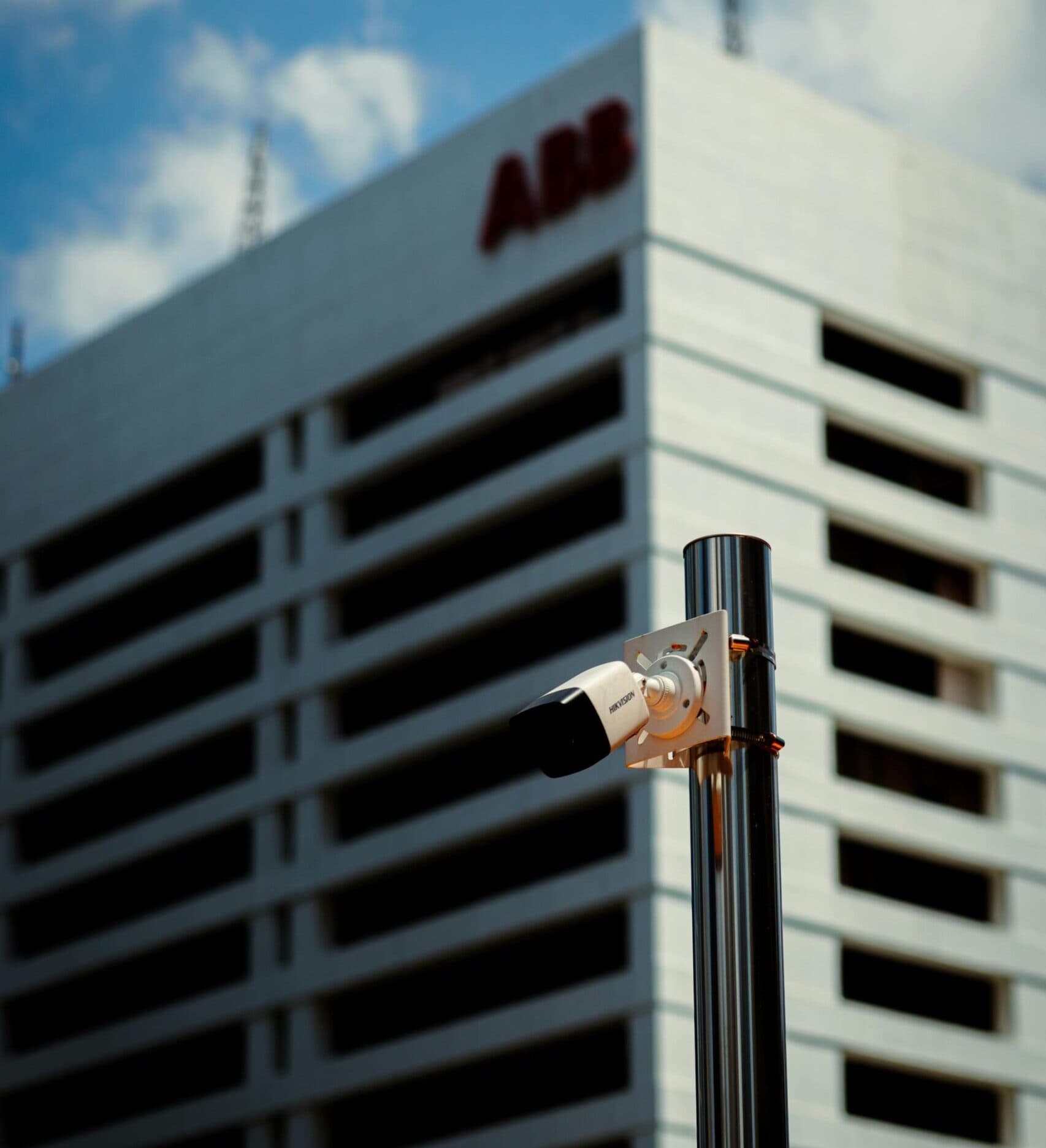
If you are looking for CCTV installation in Essex, the decision that matters most is not the brand of camera but the quality of the survey and the placement, because a carefully positioned mid-range system will outperform an expensive one bolted up in the wrong spots every time. Good CCTV installation starts with someone walking the property, finding the real entry points and blind spots, setting cameras at a height and angle that captures usable detail, and configuring secure recording and remote viewing you can trust. That is the work that decides whether your footage identifies a face and a number plate or just shows a vague shape moving in the dark.
At Bespoke AVS we install and design CCTV systems across the South East, and we cover Essex alongside our work in Kent and London. Essex spans a huge range of property, from dense urban areas and busy commercial estates down towards the Thames to large rural homes and farms further out, and the right system looks very different across that spread. This article answers the questions Essex homeowners and businesses ask us most, and explains what genuinely good CCTV installation should involve, so you know what to expect before you commit to anyone.
What CCTV installation in Essex should involve
The job begins with a site survey rather than a quote pulled off a price list. We walk the property to map entry points, approaches and weak spots, then plan camera positions around the actual risk instead of simply aiming lenses at the front of the building. The variety of property across Essex makes this essential. A terraced home in a built-up area, a detached house on a long rural plot, and a commercial unit on an industrial estate each need a completely different approach to coverage, and a single template applied across all three will leave gaps somewhere.
In our experience, the most common fault on systems we are asked to replace is poor placement rather than poor equipment. A camera fixed too high or angled at the roofline produces footage that looks impressive on the screen but identifies nobody, while a well-sited unit at the correct height turns the same spend into evidence that actually stands up. We have found that getting the positions right at survey stage is worth far more than upgrading to pricier cameras pointed in the wrong direction.
How many cameras do you need
There is no fixed number, because it depends entirely on the property and what you are protecting, but the honest rule is to cover every realistic entry point and the main approach rather than trying to watch everything at once. A typical home usually needs the front entrance and approach, the rear, and any side or garden access. A commercial or industrial property in Essex often needs the entrance, any reception or point of sale, rear and fire exits, and the yard, car park or perimeter, which on larger sites can mean a more substantial system.
The kind of camera matters as much as the count, and there are real differences between the types of CCTV camera suited to different settings. A discreet dome works well on a domestic frontage, while a longer-range bullet camera suits a driveway, yard or commercial perimeter. For wide rural plots and large commercial sites, where the distances are greater, the choice of lens and resolution becomes the difference between a clear image and a useless one.
Will the system work at night and in rural areas
Night performance is where the quality of the kit shows most clearly, and it is a particular consideration in the less built-up parts of Essex where there is little or no street lighting to help. Standard infrared cameras switch to black and white after dark and give a serviceable image, but they struggle with detail and colour. Full-colour low-light cameras hold colour well using whatever ambient light is present, which is genuinely useful on lit streets.
In our experience, infrared cameras work better than full-colour low-light cameras on dark rural plots because once you move away from street lighting there simply is not enough ambient light for the colour sensors to use, and a strong infrared image beats a poor colour one every time. On a lit suburban road the opposite is often true. This is exactly the kind of judgement a proper survey settles, by looking at the real lighting around your property after dark rather than guessing from a brochure.
Viewing your CCTV remotely
On any modern system, viewing live and recorded footage from your phone, tablet or computer should be standard. A properly set up installation gives you that through a secure app whether you are at home, at work or away. The part worth getting right is the network configuration behind it, because remote access set up carelessly becomes a security weakness in its own right. We configure this so you get the convenience without leaving the system exposed, which is one of the clearest reasons professional CCTV installation is worth more than a kit fitted in a hurry.
The legal side of recording in Essex
This is where domestic CCTV catches people out, especially where properties sit close together. If your cameras only capture your own land, the data protection rules largely do not apply to you. The moment they capture anything beyond your boundary, the pavement, a shared driveway, the street or a neighbour’s garden, you take on responsibilities under data protection law, including using footage fairly and being able to justify what you record. The Information Commissioner’s Office publishes clear guidance for home users, which you can read through the ICO, and commercial premises carry further duties including signage and a lawful basis for recording.
A good installer raises this at survey stage rather than leaving you to find out later, and we routinely angle and mask cameras so they cover what you need without overreaching into areas that create problems. For broader, police-backed guidance on protecting your property, Secured by Design is a sound place to start.
Pairing CCTV with alarms
CCTV records what happens, but it does not raise the alarm or deter an intruder in the moment the way an audible system does, which is why many Essex homes and businesses run the two together as part of a wider security system in Essex. There is also a financial angle worth understanding, since the question of whether alarm systems reduce insurance costs comes up often when people are weighing a security upgrade. Because we install both, our intruder alarms and security systems are designed to work alongside CCTV rather than against it, which is harder to achieve when two separate firms fit the two halves.
Choosing a CCTV installer in Essex
Before any work is done, judge an installer on a few straightforward things. Do they survey the property in person rather than quote blind over the phone. Will they explain camera placement and night performance in plain terms. Do they handle the legal and data protection side rather than leaving it to you. And can you see genuine reviews from real customers. You can read what ours say on our Facebook page and through our reviews on Yell, and learn more about how we work on our about us page. As a Kent County Council Trading Standards Checked business, we would rather survey properly and fit the correct system once than be called back to fix a rushed job.
Bringing it together
Good CCTV installation in Essex comes down to a proper survey, careful camera placement, equipment matched to your lighting and your setting whether urban or rural, secure remote viewing, and a setup that respects the legal rules around recording shared and public space. Get those right and the system protects you quietly for years.
If you would like CCTV designed and installed properly for your Essex home or business, get in touch and we will give you honest advice on exactly what your property needs.
Keep reading
Related guides
CCTV
How Does CCTV Work for Homes and Businesses?
CCTV for Homes and Businesses is one of the most effective ways to monitor property, deter crime, and maintain control over what is happening on site. Whether installed in a family home or a busy commercial environment, CCTV systems provide real time visibility and recorded evidence that can make a clear difference when it matters.
Read guideCCTV
When should you consider CCTV for your home?
CCTV for your home has become increasingly common as homeowners look for reliable ways to improve security and protect their property. Many people assume CCTV is only necessary after a problem occurs, such as a burglary or vandalism. In reality, installing cameras before any issues arise is often the best way to prevent incidents in the first place.
Read guideCCTV
What is CCTV?
What is CCTV is a question many homeowners and business owners ask when looking for ways to improve security. CCTV stands for Closed Circuit Television. It refers to a system of cameras that record and monitor activity within a specific area. Unlike broadcast television, CCTV footage is transmitted to a limited number of screens or recording devices, making it a controlled and private surveillance system.
Read guideFree estimates
Want a free estimate in Essex?
No up-selling, just simple honest advice. Domestic and commercial work across Aylesford, Maidstone, Medway, Sittingbourne, Gravesend, Canterbury, Tunbridge Wells, Sevenoaks, Dartford, Bromley.