
CCTV in Tunbridge Wells
CCTV Installation Tunbridge Wells
If you are arranging CCTV installation in Tunbridge Wells, the right system starts with a proper survey of your specific property rather than a fixed package chosen from a price list, because the camera that suits a town-centre flat near the Pantiles is rarely the one that suits a detached home on the outskirts. A good installer walks the property, identifies the genuine entry points and weak spots, places cameras at a height and angle that actually captures detail, and sets up secure recording and remote viewing you can rely on. Get that survey right and the equipment almost looks after itself. Get it wrong and no amount of expensive kit will save you.
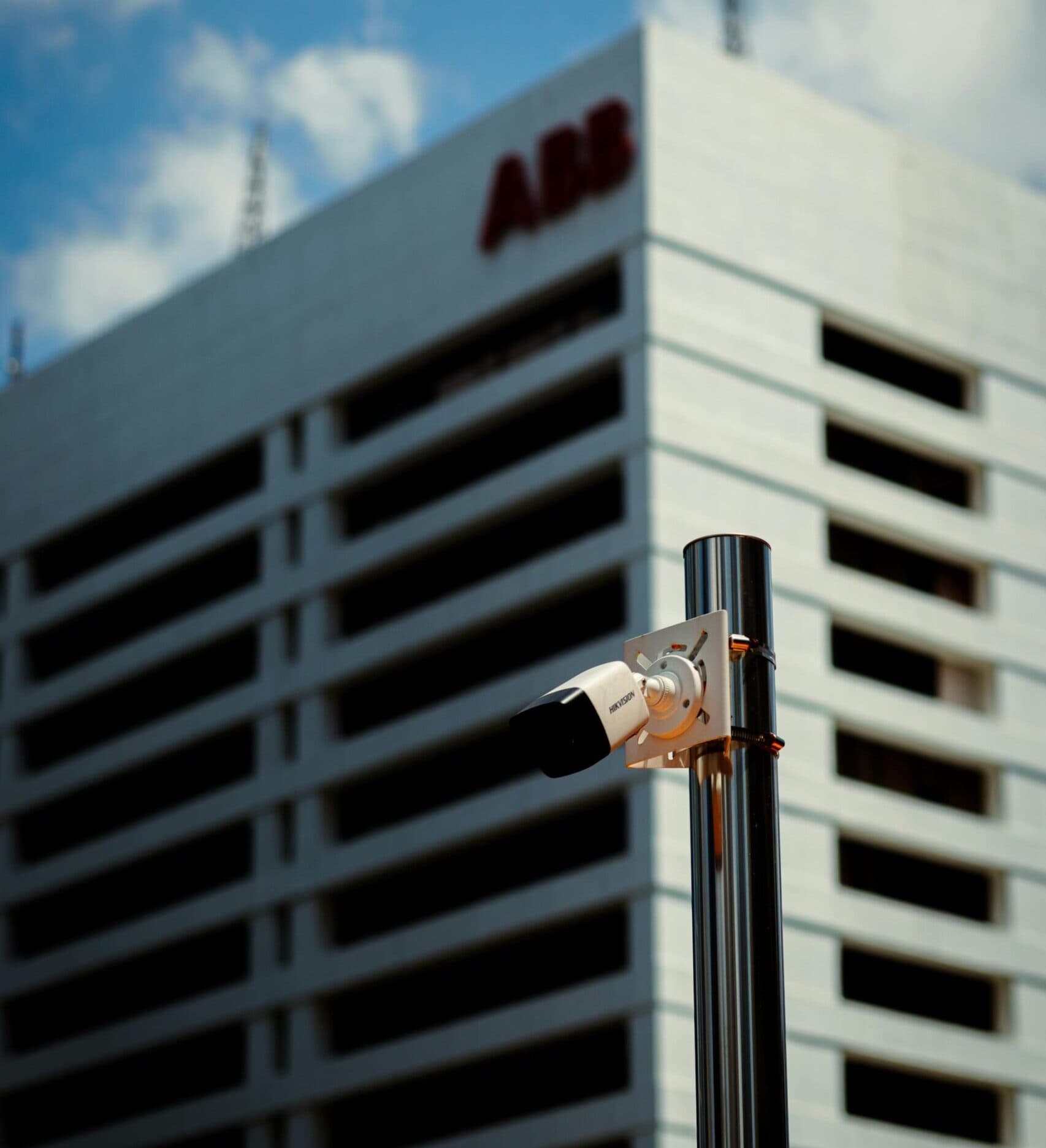
If you are arranging CCTV installation in Tunbridge Wells, the right system starts with a proper survey of your specific property rather than a fixed package chosen from a price list, because the camera that suits a town-centre flat near the Pantiles is rarely the one that suits a detached home on the outskirts. A good installer walks the property, identifies the genuine entry points and weak spots, places cameras at a height and angle that actually captures detail, and sets up secure recording and remote viewing you can rely on. Get that survey right and the equipment almost looks after itself. Get it wrong and no amount of expensive kit will save you.
At Bespoke AVS we install CCTV across Tunbridge Wells and the wider Kent area, and the local mix of property here shapes the work more than people expect. Tunbridge Wells has a high proportion of period and Victorian housing, conservation areas, and listed buildings alongside modern homes and busy commercial premises, and each of those carries its own considerations for where and how cameras can go. This article answers the questions we are asked most often by Tunbridge Wells homeowners and businesses, so you know exactly what good CCTV installation should involve before you commit.
What CCTV installation in Tunbridge Wells involves
The process begins with a site survey, not a sales pitch. We walk the property to map the entry points, blind spots and approaches that matter, then plan camera positions around the genuine risk rather than simply pointing lenses at the front of the building. Tunbridge Wells properties vary enormously, from town-centre commercial units facing straight onto the street to large detached homes set back behind gardens and driveways, and the survey is where that difference gets accounted for.
From working with clients across Tunbridge Wells, we have found that the most common weakness on systems we are called to replace is poor camera placement rather than poor cameras. A camera mounted too high or angled at the roofline gives you a clear view of very little that is useful, while a well-positioned unit at the right height turns the same budget into footage that actually identifies a face or a vehicle. Where you put the camera matters at least as much as what you spend on it.
Conservation areas and period properties
This is where Tunbridge Wells differs from many other towns, and it is worth raising early. A good portion of the area sits within conservation areas, and there are numerous listed and period buildings where external alterations are restricted. That affects CCTV in real terms, because surface-mounted cabling, large external housings and visible fixings on a protected frontage can be both unwelcome and, in some cases, subject to consent.
We have found that discreet, carefully routed installations work better than bolt-on systems on period and conservation-area properties because they protect the look of the building while still giving full coverage, and they avoid the kind of clumsy external work that draws complaints or planning attention. On older properties we take more care over cable routes, fixing points and camera sizing, and we will always flag where a particular position might raise a conservation issue rather than drilling first and asking later.
How many cameras and which type
There is no single correct number, because it depends on the property and what you are protecting, but the honest guide is to cover every realistic entry point and main approach rather than trying to watch everything at once. A typical home often needs the front entrance and approach, the rear, and any side or garden access. A commercial unit usually needs the entrance, the interior point of sale or reception, any rear or fire exit, and the frontage.
Camera choice matters as much as quantity, and there are real differences between the types of CCTV camera suited to different settings. A discreet dome camera suits a domestic frontage where you do not want a prominent unit on a period wall, while a bullet camera with a longer reach can be right for a driveway or a commercial perimeter. Night performance is the area where quality shows most clearly. Standard infrared cameras give a serviceable black-and-white image after dark, while full-colour low-light cameras hold colour well using ambient light, which is genuinely useful on lit residential streets when you need to describe clothing or a vehicle.
Viewing your CCTV remotely
On any modern system, viewing live and recorded footage from your phone, tablet or computer should be standard. A properly configured installation gives you that access through a secure app whether you are at work, away or abroad. The part worth getting right is the network setup behind it, because remote access configured carelessly becomes a security weakness in its own right. We set this up so you get the convenience without leaving the system exposed, which is one of the clearest reasons professional CCTV installation is worth more than a self-fitted kit from a box.
The legal side of recording
Domestic CCTV trips people up here, and it matters in built-up parts of Tunbridge Wells where properties sit close together. If your cameras only capture your own land, the data protection rules largely do not apply. The moment they capture beyond your boundary, the pavement, a shared driveway, the street or a neighbour’s garden, you take on responsibilities under data protection law, including using the footage fairly and being able to justify what you record. The Information Commissioner’s Office sets out clear guidance for home users, which you can read through the ICO, and commercial premises carry further obligations including signage and a lawful basis for recording.
A good installer raises this at the survey stage, and we routinely angle and mask cameras so they cover what you need without overreaching into areas that create a legal headache. For broader, police-backed advice on protecting your property, Secured by Design is a sound starting point.
Pairing CCTV with alarms for fuller protection
CCTV records what happens, but it does not raise the alarm or deter in the moment the way an audible system does, which is why many Tunbridge Wells homes and businesses pair the two. If you are weighing that up, it is worth understanding what the best alarm system for a home looks like for your particular layout before deciding how the two systems should work together. Because we install both, our security and intruder alarm systems are designed to sit alongside CCTV rather than fight with it, which is harder to achieve when two different firms fit the two halves separately.
Choosing an installer in Tunbridge Wells
Before the work is done, judge an installer on a few simple things. Do they survey in person rather than quote blind over the phone. Will they explain camera placement and night performance in plain terms. Do they understand conservation and period-property constraints. And can you see genuine reviews from real local customers. You can read what ours say on our Facebook page and through our reviews on Yell, and learn more about how we work on our about us page. As a Kent County Council Trading Standards Checked business, we would rather get the survey right and fit the correct system once than be called back to fix a rushed job.
Bringing it together
Good CCTV installation in Tunbridge Wells comes down to a proper survey, careful camera placement, equipment suited to your lighting and your building, secure remote viewing, and a setup that respects both the legal rules and, where relevant, the character of a period or conservation-area property. Get those right and the system does its job quietly for years.
If you would like CCTV designed and installed properly for your Tunbridge Wells home or business, get in touch and we will arrange a survey and give you honest advice on exactly what your property needs.
Keep reading
Related guides
CCTV
What Are the Legal Requirements for CCTV in the UK?
Legal Requirements for CCTV UK are an important consideration for anyone installing cameras at home or in a business. While CCTV is widely used across the UK, there are clear rules around how it should be installed and used, particularly when it records areas beyond your own property.
Read guideCCTV
What Are the Benefits of Installing CCTV at Home?
Benefits of Installing CCTV are often discussed in terms of security, but in practice, the advantages go further than simply recording footage. is CCTV Effective
Read guideCCTV
CCTV Installation Canterbury
CCTV Installation Canterbury is something many homeowners and businesses consider when they want reliable protection that actually works in day to day situations. Canterbury is a busy and historic city with a mix of residential streets, student housing, retail areas, and commercial premises. Each of these environments presents different security challenges, which means CCTV systems need to be carefully designed rather than simply installed.
Read guideFree estimates
Want a free estimate in Tunbridge Wells?
No up-selling, just simple honest advice. Domestic and commercial work across Aylesford, Maidstone, Medway, Sittingbourne, Gravesend, Canterbury, Tunbridge Wells, Sevenoaks, Dartford, Bromley.